Probate Lawyer in Union, MO
Someone in your family has died, and the paperwork has started to arrive. There's a house in their name, accounts the bank won't release, bills still coming in, and maybe there is or isn’t a will. Schmanke Law Firm handles probate administration for families in Union and the surrounding area. Since the firm also writes wills and trusts, it understands the documents you're working from.
Property that goes through probate and property that doesn't
Probate deals with property that was in the person's name alone and has no other legal way to pass. A lot of property passes outside probate. Life insurance and retirement accounts with a named beneficiary usually go straight to that beneficiary. So do accounts with a payable-on-death designation and real estate with a beneficiary deed. Property owned jointly with survival rights usually passes to the surviving owner. Property held in a trust passes under the trust's terms.
Having a will doesn't keep property out of probate. A will says who should receive the property that goes through probate, but in Missouri, a will generally has to be filed with the probate court and admitted before it has any legal effect.
Some smaller estates can use a simpler procedure. When the estate's net value is $40,000 or less, Missouri allows heirs to use a small estate affidavit instead of a full administration, if the other requirements are met. Working out which process applies is often the first thing we look at.
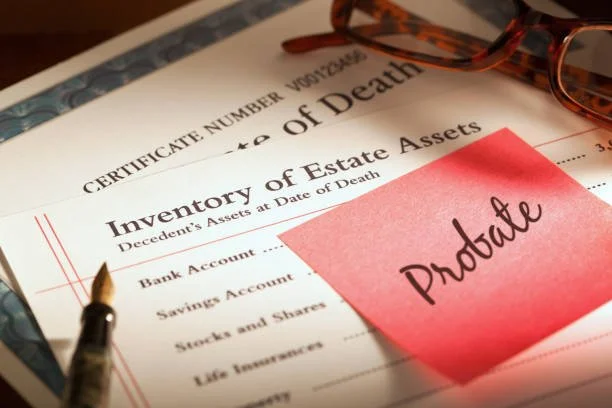
When there is a will
A will names the people who should receive the estate. It usually also nominates someone to handle it, commonly called the executor.
The will doesn't do anything until it's presented to the probate court. In most cases, that needs to happen within one year of the death. After that, the court may not be able to admit it at all, and the property may pass as if there were no will. If you have the original will, keep it somewhere safe and don't sit on it.
When there isn't a will
When someone dies without a valid will, which lawyers call dying “intestate,” Missouri law decides who inherits the probate property. The order is based on family relationships, generally starting with a spouse and children.
The state doesn't take the property. It still goes to family, just according to the statute rather than a document the person wrote. The court also appoints someone to handle the estate, since no one was nominated.
Probate without a will isn't necessarily harder than probate with one. The main difference is that the law, rather than the person who died, decides who inherits and in what shares.
If you've been named executor
Missouri law calls the person who handles an estate the personal representative. If you were named personal representative, you're the “executor” and are in charge of handling the estate.
Being named in the will doesn't give you authority by itself. That authority comes when the court appoints you and issues what are called letters of administration, a court document showing you can act for the estate. Banks, title companies, and others will usually ask to see them.
Once appointed, the personal representative is responsible for the estate. That typically means gathering and protecting the property, keeping records, dealing with claims from creditors, and eventually distributing what's left. It's a real responsibility, but most people who serve are family members without legal training who can be overwhelmed by the process.
What we do for the personal representative
We don't become the executor. You stay the personal representative, and we handle the legal work that goes with the role.
At the start, we look at what the person owned and how it was titled to figure out whether probate is needed and which type of proceeding fits. If probate is needed, we prepare and file the petition, present the will if there is one, and ask the court to appoint you.
Missouri allows many estates to be handled through independent administration, which means less direct court supervision. Others are supervised by the court from start to finish. We'll explain which applies and what that means for you.
During the estate, we handle the court filings and required notices, including the notice to creditors. We tell you what's due and when, review claims against the estate, and advise you on which ones are valid. When property needs to be sold or transferred, we handle the legal side of it. At the end, we prepare the final paperwork to distribute the estate and close it.
You'll still have things to do. You'll gather information, sign documents, and make decisions about the estate. You may need to attend a hearing. But you won't be figuring out the process on your own.
What happens after the estate is opened
Once the court appoints the personal representative, notice goes out to creditors. In Missouri, most creditors then have six months from the first published notice to file claims against the estate.
While that period runs, the personal representative takes stock of what the estate owns, keeps it safe, and pays ongoing expenses like insurance and utilities on a house. After the claim period ends, valid claims are paid from the estate. Then the remaining property is distributed to the beneficiaries or heirs, and the estate is closed.
What happens to the house
A house owned only by the person who died often goes through probate. What happens to it depends on the will, the heirs, and the estate's needs. Sometimes it's transferred to a beneficiary. Sometimes it's sold, and the proceeds are divided or used to pay debts.
In an independent administration, Missouri law allows the personal representative to sell estate real estate without a separate court order, unless the will restricts it. In a supervised estate, a sale generally needs the court's approval. In the meantime, someone needs to keep the house insured and maintained.
Frequently Asked Questions
How long does probate take in Missouri?
A full probate estate usually stays open at minimum six months, because creditors have six months after the first published notice to file claims. Many take longer. Selling a house, dealing with disputed claims, locating heirs, or preparing tax returns can all add time. Small estates handled by affidavit can move faster. The affidavit can't be filed until 30 days after the death.
Who pays a person's debts after they die?
Debts are paid from the estate, not from the personal representative's own pocket. If the estate doesn't have enough to pay everything, Missouri law sets the order in which claims get paid. Family members generally aren't responsible for the debts of someone who died simply because they're related or serving as personal representative. That's different if you co-signed a loan, shared a joint account or credit card, or otherwise owed the debt yourself.
How much does probate cost in Missouri?
The main costs are court fees, publication of the notice to creditors, any required bond, and compensation for the personal representative and the attorney. Missouri law sets a minimum compensation schedule for personal representatives and their attorneys, based on a percentage of the personal property in the estate and the proceeds of any real estate sold under court order. The percentage starts at 5% on the first $5,000 and decreases as the estate gets larger. A court can allow more when the work justifies it. A personal representative can also decline compensation. The firm's fees for your estate can be discussed at the free consultation.
Do I need a probate lawyer in Missouri?
Missouri doesn't require every personal representative to hire an attorney, but most do. Probate involves court filings, deadlines that can't be missed, and decisions about claims and property that the personal representative is responsible for getting right. For small estates, the process may be simple enough to handle yourself. You can always speak to an attorney for guidance.
What if the will can't be found?
Look carefully first, including in safes, filing cabinets, and with the person's former attorney. If an original will can't be found, Missouri law allows a lost or destroyed will to be presented with a statement of what it said and why the original isn't available. Whether it can be admitted depends on the circumstances. The one-year deadline still generally applies.
Talk With a Probate Lawyer in Union
If you've been named executor, found a will, or aren't sure whether an estate needs probate, schedule a free consultation at our Union office at 301 East Main Street. Appointments are also available at our Owensville office. If you're thinking about your own plan, see our Estate Planning page.